
Dishcast with Andrew Sullivan
Stephen Grosz talks to Andrew Sullivan about Love And Psychoanalysis on “The Weekly Dish”

.
Stephen Grosz talks to Andrew Sullivan about Love And Psychoanalysis on “The Weekly Dish”
.
Rodrigo Barahona talks to Stephen Grosz
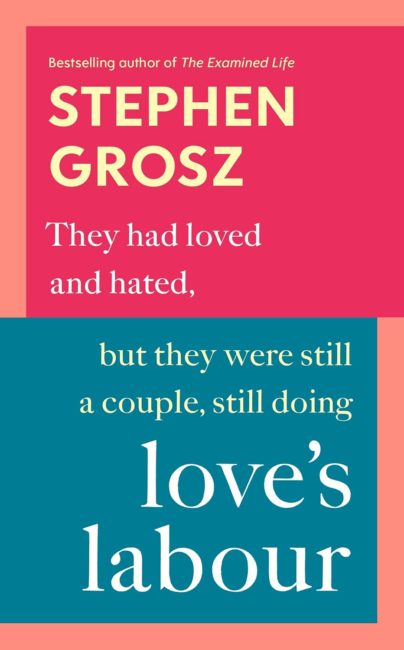
For the Quarterly’s upcoming October 2026 issue, our Book Review Editor Rodrigo Barahona interviewed writer and analyst Stephen Grosz about his newest book Love’s Labor: How We Break and Make the Bonds of Love. The Quarterly will publish a review of Stephen’s book written by Sarah Ackerman in October 2026.
By Daphne Merkin
March 3, 2026

To many of us, what goes on in analysis or psychotherapy remains a well-guarded mystery, and its practitioners mythical creatures, bearers of special wisdom — or, if we are skeptical enough about the profession’s effectiveness, like Wizards of Oz behind the curtain. In his new book, “Love’s Labor,” Stephen Grosz, an American-born psychoanalyst who has practiced in London since 1987, breaks the spell by taking us directly into the sanctum sanctorum, otherwise known as the analyst’s office.
One of the most gripping, curvy stories in the book, which comprises 12 case studies about love and intimacy (all of which, to a greater or lesser degree, are fictionalized), is called “Connections.” It involves two married couples, three members of whom are psychoanalysts from New York and close friends. Grosz, then in his early 40s and unmarried, first meets them at a conference of American and European analysts in Cork, Ireland, and continues to see them over the next six years at other meetings. Both couples are “appealing people” who seem content in their lives, until it suddenly emerges at a meeting in Glasgow that one of the women, Cora, is sleeping with the husband of the other woman, Susan.
This development leads to an all-out confrontation between the two women at a cafe. Susan calls Cora a “sociopath” and accuses her of not understanding what being a psychoanalyst is about: “Mending. Repairing. Having empathy. Caring for others. Respecting boundaries.” Cora hits back: “You don’t sound like a psychoanalyst. You sound like some old rabbi.” And she insists that the true aim of psychoanalysis is allowing a person to acknowledge their real desires, however difficult or inconvenient, so that they can live more freely and truthfully. As Cora pleads with her to understand things from her perspective, Susan slaps down some money and walks away.
Both women confide in Grosz the details of the fight, and a year later his friends’ furious disagreement about the purpose of psychoanalysis still disturbs him, so much so that he is prompted to try to refine his own definition of it. He makes a list of different ideas that have struck him from his reading and training, among them: to make what is unconscious conscious (Freud); to break the spell of self-deception (Amadeo Limentani); to tolerate ambivalent feelings and experience the world with less fear and fragmentation (Melanie Klein); to wrest knowledge from suffering (Jonathan Lear).
None of these are fully satisfying: Grosz finds himself questioning the very notion of an “aim” in psychoanalysis. It seems to him that insisting upon one is “an intrusion on the patient’s autonomy — an attack on the power to identify one’s own desires, decide one’s own mind.” In the end, the friendship between Grosz and the two couples fizzles out, but what lingers is his respect for both Susan’s and Cora’s points of view and curiosity about how psychoanalysis might help them bear their rage, disappointment and colliding needs.
This vignette, and the circling approach to its subject, coming in close and lifting off for a more aerial view, is typical of Grosz. His capacity for self-interrogation, and for constantly turning over in his mind what the role of an analyst should be, characterizes all of the case studies in “Love’s Labor.” Grosz, who is 73, first became well known to readers in 2013 when he published “The Examined Life: How We Lose and Find Ourselves.” Based on 25 years of his work with patients, the book, a collection of 31 case studies, became a critically acclaimed best seller in England and went on to sell nearly half a million copies worldwide, as well as being translated into more than 30 languages.
Ayesha Rascoe talks with psychoanalyst Stephen Grosz about his new book, “Love’s Labor: How We Break and Make the Bonds of Love.”

Bestsellerautor Stephen Grosz erklärt im Interview, was Liebe mit Verlust zu tun hat, wie erfüllte Sexualität in der Beziehung gelingt und wann am Ende einer Ehe sogar eine zweite Ehe miteinander möglich ist.

Herr Grosz, können uns die Geschichten anderer, in der Liebe gescheiterter Menschen, helfen, bindungs- und beziehungsfähiger zu werden?
In meinem Notizbuch steht ein Zitat von der Journalistin Amy Goodman: Gehe dorthin, wo das Schweigen ist und sage etwas. Das ist, was ich versuche: über die Liebe zu sprechen und darüber, wie wir sie leben. Viele Menschen, die mein Buch lesen, werden selbst nie zur Psychoanalyse gehen. Ich möchte, dass sie durch die mitunter überraschenden Geschichten meiner Patienten manche Dinge in ihrer eigenen Geschichte besser verstehen. Ich schreibe darüber, wie die Liebe von Verlusten bestimmt wird und diese Verluste von unserem Leben. Nicht, weil die Liebe stärker als der Tod ist – sondern weil sie schwächer ist.
Wie meinen Sie das?
Zu lieben ist hart, Liebe ist immer mit Verlusten verbunden. Schon wenn wir geboren werden, geben wir nach kurzer Zeit die Mutterbrust und die vertraute Nahrung auf. Dann gehen wir in die Kita, als junge Erwachsene gehen wir weg von zu Hause und arbeiten.
Was ja ganz normal ist.
Für mich als Psychoanalytiker sind all das Verluste, mit denen wir als Liebende fertig werden müssen. Ein Beispiel aus meinem Buch: Da ist eine junge Frau, die ihre Hochzeitseinladungen verschicken muss, aber sie bringt es nicht über sich. In unseren Gesprächen kam heraus, sie schafft es nicht, weil sie Angst hat, ihre Herkunftsfamilie, Mutter und Vater, zu zerstören und zu verkleinern, wenn sie diese Einladungen verschickt und ein neues Leben mit ihrem Partner beginnt.
Warum schmeißen manche Menschen nach einem Seitensprung ihre Beziehung hin und andere schaffen den steinigen Weg, sich in einer Ehe wieder zusammenzuraufen?
Ich glaube, wenn Menschen tatsächlich am Ende einer Ehe ehrlich miteinander reden und sich einander öffnen, wenn sie sich lieben, dass dann sogar eine zweite Ehe miteinander noch möglich ist. Es gibt doch all diese Hollywood-Komödien über Paare, die sich scheiden lassen und dann wieder heiraten. Ich glaube, dass kann auch Realität sein. Ich unterscheide allerdings zwischen legaler Ehe und psychologischer Ehe: Jemand kann mit mir legal verheiratet, aber vielleicht auch Alkoholiker sein. Dann ist er zwar legal mit mir, aber psychologisch mit dem Alkohol verheiratet.
Ist unser Kernproblem oder gar Irrtum in der Liebe, dass wir an das Konzept der romantischen Liebe glauben und deshalb Seitensprünge meist zum Drama führen?
Früher wurden Ehen pragmatisch geschlossen, um Besitz zu wahren und Erben hervorzubringen. Tatsächlich ist das moderne Bild einer Ehe heute ein Problem. Ein Beispiel: Vor zwei Wochen kam ein Paar zu mir, bei dem die Ehefrau nach einem Wochenendausflug allein zu Hause ein Kondom im Badezimmer gefunden hat. Ihr Mann stritt alles ab. Ich habe gesagt: Schaut, natürlich kann das der Bruch Eurer Beziehung sein. Es kann aber auch ein Durchbruch werden, ein Ende von Lügen. Wenn Leute anfangen, ehrlich über ihre sexuellen und emotionellen Bedürfnisse sprechen, ist es zunächst nicht romantisch. Aber vielleicht ein Durchbruch für die Beziehung.
Haben Sie je zu Patienten gesagt: Bitte trennen Sie sich unbedingt!
Das ist nicht mein Job. Der Job eines Psychoanalysten ist nicht zu helfen, sondern zu verstehen. Ich bin durchaus mal zu einem Freund gefahren und habe ihm geholfen, seine Sachen zu packen. Aber vielleicht war er ein paar Wochen danach in einer noch schlechteren Beziehung. Wenn ich einem Patienten helfe, sich selbst zu verstehen, helfe ich ihm bei seiner eigenen Entscheidung.
Welche war in den 40 Jahren Ihrer Laufbahn die anrührendste Geschichte, die Sie gehört haben?
Ich hatte mal einen Patienten, der Selbstmord versuchen wollte, ein sehr schwieriger Fall. Eines Tages erhielt ich eine Nachricht seiner Frau, dass er sich umgebracht hätte. Dann erhielt ich auf meinem Handy eine Sprachnachricht von ihm, dass er nicht tot wäre und mich wieder treffen möchte. Das hat mich schockiert. Ich habe dann selbst einen Psychiater
Warum ist es für Psychoanalysten wichtig, sich am Anfang ihrer Ausbildung selbst auf die Couch zu legen?
Die eigene Psychoanalyse ist notwendiger Teil der Ausbildung. Als ich nach meinem Studium der Psychologie als Sohn von jüdisch stämmigen Immigranten in Chicago zu einem Psychiater ging, war ich 31 und unreif. Auch das Lesen von Freud und Lacan hatte mich noch nicht zu einem guten Psychoanalytiker gemacht. Auf der Couch verstand ich zum Beispiel, dass es in der Liebe einen wichtigen Unterschied gibt – zwischen sich hingeben und sich unterwerfen. Wir machen oft den Fehler, uns einem Partner völlig zu unterwerfen, damit er uns liebt. Dieses Geschäft ist völlig zum Scheitern verurteilt.
Ist es in der modernen Psychoanalyse immer noch die richtige Herangehensweise, in der Vergangenheit von Patienten zu stöbern, wenn sie mit der Liebe nicht zurechtkommen?
Absolut. Jeder Patient ist anders. Manche brauchen Medikamente. Aber die Vergangenheit ist meist immer noch der Schlüssel. Im Buch beschreibe ich zum Beispiel auch drei Patienten mit einem Sexualitätsthema. Der einzige Weg, wie sie ihr gegenwärtiges sexuelles Leben verstehen, ist eine Reise in ihre Vergangenheit. Eine der Patientinnen war eine Nonne, Anfang 50, mit Depressionen. Wir fanden heraus, dass sie eine Phobie vor Schwangerschaft hatte, weil ihre Mutter bei ihrer Geburt gestorben war.
Meine Theorie ist, dass wir die Reflexion über unsere Vergangenheit immer wieder selbst machen müssen. Das Wissen über unser Herz kommt von unserem Herzen. Wir können Bücher lesen, mit Freunden sprechen. Aber letztlich bedeutet die Arbeit an der Liebesfähigkeit, uns selbst und die Menschen, die wir lieben, klar zu sehen. Auch die Dinge, die wir nicht gern sehen wollen. Wie die Schriftstellerin und Philosophin Iris Murdoch sagt: Liebe ist die Entdeckung der Wirklichkeit. Die Einsicht, dass jemand Anderes als man selbst auch real ist. Das ist die Aufgabe der Psychoanalyse.
Sie sagen auch: Wahre Liebe ist das Aufhören der Selbstenttäuschung. Wie meinen Sie das?
Wir enttäuschen uns selbst damit, wie wir lieben, wen wir lieben, warum wir lieben. Wenn wir uns mit einem Partner streiten, können wir uns so verstricken in einem fiktionalen Bild, das unseren Blick völlig blockiert. Die geliebten Menschen in diesem Bild sind völlig gefangen von unserer Vorstellung. Von Wut und Vorwürfen ist sehr schwer loszulassen, weil wir sie als Mittel unserer vermeintlichen Überlegenheit nutzen. Das Loslassen und die Selbstreflektion ist das einzige Rezept für die Liebe. Das ist harte Arbeit.
Sind alle Patienten in Ihrer Praxis therapiefähig? Sie schreiben, die Menschen wären sehr „elastisch“.
Manche ja, manche nein. Menschen geben sich oft ihrem Leiden hin, weil es sehr bequem ist. Weil es sicherer ist, als etwas Neues zu wagen. Etwas Neues einzugehen, kann erst mal schwierig und hart sein.
Interview von Marika Schaertl
Stephen Grosz, geboren 1952, arbeitet seit mehr als 25 Jahren als Psychoanalytiker in London. Sein hochgelobtes, erstes Buch „Die Frau, die nicht lieben wollte“ war ein internationaler Bestsellererfolg. In seinem neuen Buch „Die unbewusste Sprache der Liebe“, das gerade im Fischerverlag erschienen ist, erzählt er Geschichten aus seiner Praxis – und wie seine Patientinnen und Patienten ihre Probleme auf der Suche nach Liebe überwinden.
Das neue Buch von Stephen Grosz ist gerade im S. Fischer Verlag erschienen Quelle: S.Fischer
Why is love so difficult? Why do we push it away, sabotage it, or cling to it long after it’s gone? Drawing on over forty years of conversations with patients, renowned psychoanalyst and author Stephen Grosz invites us into the intimate space of the consulting room to explore what gets in the way of falling—and staying—in love.
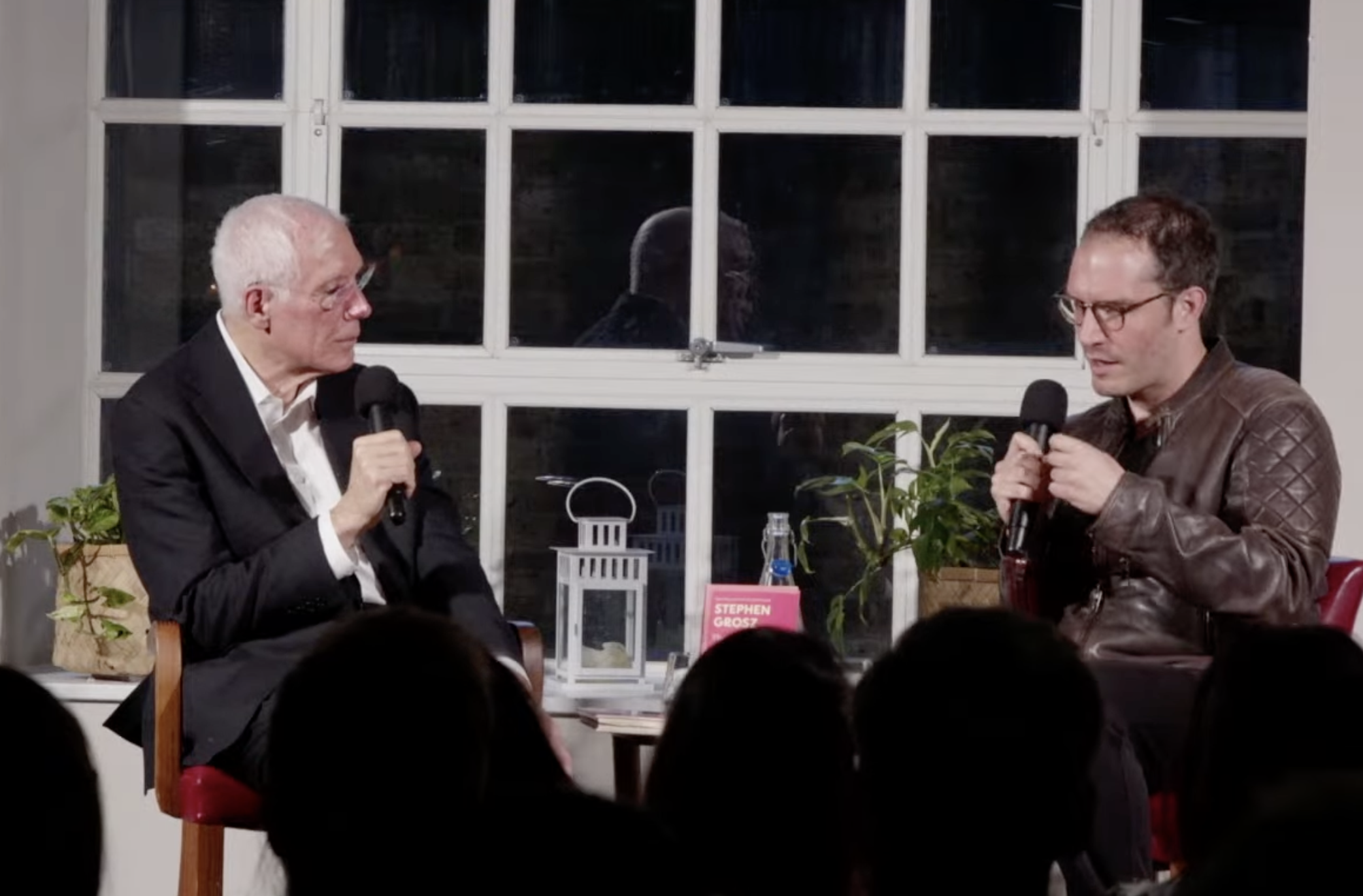
Here he is in conversation with Robert Icke at The Conduit for a searching, deeply human conversation on the mysteries of the heart—and the lifelong work of loving and being loved.
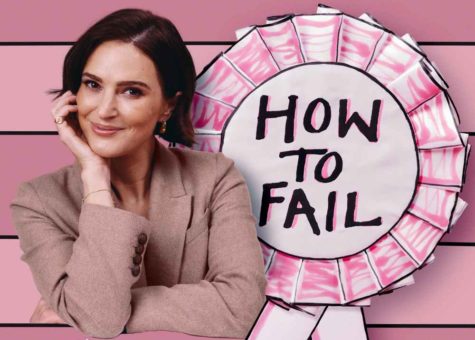 Love is going to hurt: Stephen talks to Elizabeth Day of “How to Fail” about his most recent book “Love’s Labour”
Stephen Grosz is a practising psychoanalyst and a personal hero of mine. He has worked with patients for more than 45 years and his first book, The Examined Life, drew on these experiences. When it was published in 2013, it caused a sensation and went straight to number one in the Sunday Times bestseller list. Since then, hundreds of thousands of readers, including me, have taken it to our hearts.
Now 12 years on from his debut, Grosz is back with Love’s Labour, which asks fundamental questions around how to love and be loved in return, drawing on his almost half a century of clinical expertise.
In this episode we discuss why real love causes suffering, why failed marriages are often the best kind, the difference between surrender and submission in relationships, why loss has to be part of being human and how we can be happy. Plus: a fascinating peek into what it’s like to be a psychoanalyst when I get to ask ‘are you ever annoyed by your clients?’
02:28 Understanding Attachment to Suffering
04:25 The Role of Denial in Our Lives
06:32 Failures and Self-Perception
07:23 Stephen’s Childhood
21:46 The Power of Unconscious Signals
25:24 Navigating Change and Loss
26:25 The Anxiety of Letting Go
28:22 The Price of Love
29:23 Writing from the Heart
30:16 Support Systems
32:27 Family Dynamics and Psychoanalysis
36:51 Surrender vs. Submission
45:25 Understanding Pain and Grief
48:25 Final Thoughts and Farewell
The aim of life is to see oneself clearly, and the world clearly.
Psychoanalysis is two people not knowing – together. We have to figure it out together, and that means both of us will make mistakes and I will get it wrong.
These failures brought me embarrassment, unhappiness, and pain. I wouldn’t wish them away.
Real love is going to hurt
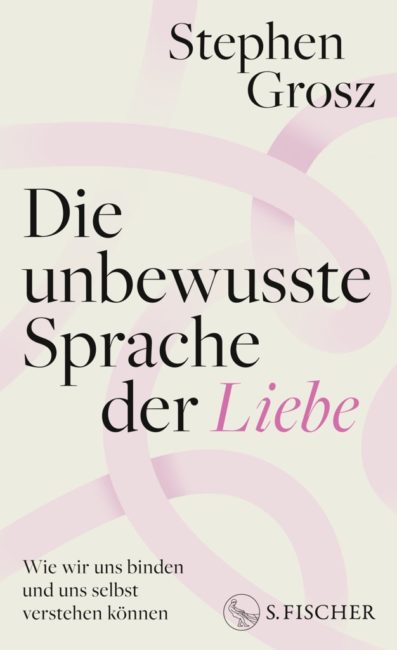
Wahre Geschichten aus der Therapie über die Liebe und das Unbewusste – brillant erzählt von dem renommierten und weltweit bekannten Therapeuten Stephen Grosz
Sophie, Robert und Helen – sie alle gehen zur Therapie bei Stephen Grosz. Sophie kommt zu jeder Therapiestunde viel zu spät, Robert belauscht seine Frau am Telefon, Helen hasst es, beschenkt zu werden. Stephen Grosz erzählt von diesen und weiteren Geschichten aus seiner Praxis und wie er mit seinen Patientinnen und Patienten gemeinsam darüber nachdenkt, was hinter ihrem Verhalten steckt. Immer wieder treten dabei die Hindernisse zum Vorschein, die wir uns selbst auf der Suche nach Liebe in den Weg stellen.

Stephen Grosz, geboren 1952, arbeitet seit mehr als 25 Jahren als Psychoanalytiker in London und lehrt am dortigen University College. Er studierte an der University of California, Berkeley, und an der Oxford University. Er schreibt regelmäßig für die »Financial Times« und »Granta«. Sein hochgelobtes, erstes Buch »Die Frau, die nicht lieben wollte« wurde in 31 Sprachen übersetzt und war ein internationaler Bestsellererfolg. Stephen Grosz lebt in London.
Bernhard Robben, geboren 1955, Übersetzer und Journalist, lebt in Brunne/Brandenburg und übersetzt aus dem Englischen u. a. Ian McEwan, Salman Rushdie, Martin Amis, Patricia Highsmith, Peter Carey und Philip Roth. 2003 wurde er für die Übersetzung des Romans ›Abbitte‹ von Ian McEwan und für sein Lebenswerk mit dem Übersetzerpreis der Stiftung Kunst und Kultur des Landes NRW ausgezeichnet, 2013 mit dem Heinrich Maria Ledig-Rowohlt-Preis.
Ein Seitensprung kann zum Glücksfall für die Beziehung werden
Bestsellerautor Stephen Grosz erklärt im Interview, was Liebe mit Verlust zu tun hat, wie erfüllte Sexualität in der Beziehung gelingt und wann am Ende einer Ehe sogar eine zweite Ehe miteinander möglich ist.
Herr Grosz, können uns die Geschichten anderer, in der Liebe gescheiterter Menschen, helfen, bindungs- und beziehungsfähiger zu werden?
In meinem Notizbuch steht ein Zitat von der Journalistin Amy Goodman: Gehe dorthin, wo das Schweigen ist und sage etwas. Das ist, was ich versuche: über die Liebe zu sprechen und darüber, wie wir sie leben. Viele Menschen, die mein Buch lesen, werden selbst nie zur Psychoanalyse gehen. Ich möchte, dass sie durch die mitunter überraschenden Geschichten meiner Patienten manche Dinge in ihrer eigenen Geschichte besser verstehen. Ich schreibe darüber, wie die Liebe von Verlusten bestimmt wird und diese Verluste von unserem Leben. Nicht, weil die Liebe stärker als der Tod ist – sondern weil sie schwächer ist.
Wie meinen Sie das?
Zu lieben ist hart, Liebe ist immer mit Verlusten verbunden. Schon wenn wir geboren werden, geben wir nach kurzer Zeit die Mutterbrust und die vertraute Nahrung auf. Dann gehen wir in die Kita, als junge Erwachsene gehen wir weg von zu Hause und arbeiten.
Was ja ganz normal ist.
Für mich als Psychoanalytiker sind all das Verluste, mit denen wir als Liebende fertig werden müssen. Ein Beispiel aus meinem Buch: Da ist eine junge Frau, die ihre Hochzeitseinladungen verschicken muss, aber sie bringt es nicht über sich. In unseren Gesprächen kam heraus, sie schafft es nicht, weil sie Angst hat, ihre Herkunftsfamilie, Mutter und Vater, zu zerstören und zu verkleinern, wenn sie diese Einladungen verschickt und ein neues Leben mit ihrem Partner beginnt.
... It’s November 1989 and Sophie is engaged to be married. Nick, her fiancé, has sent his half of the wedding invitations. Her half of the invitations, all 60 of them, remain in a carrier bag under her desk at work. She can’t bring herself to post them, and she’s not sure why. It’s not that she doesn’t love him – she does, she can’t wait to get married – but still, the invitations stay at the office. Eventually, a friend puts her in touch with the psychoanalyst Stephen Grosz, in the hope that he might be able to tell her why.
During a long and curious consultation, Sophie unpacks her childhood, and the ways in which loss – which is in some ways another word for “change” – had threatened her family unit. It wasn’t that she was afraid of marriage, per se, but perhaps she was afraid of the losses that marriage might entail. Because loss, as Grosz points out to me over Zoom some 35 years later, is fundamental to life, and also love. “Development, from a psychoanalytic point of view, is losing something that you don’t want to lose [in order] to have the new thing.” When it comes to that sort of exchange, some are more reluctant than others. Sophie posted her invitations the weekend after that initial consultation.
Grosz’s new book, Love’s Labour, recounts this and many other sessions from the past few decades of his work as a psychoanalyst. We’re introduced to people who’ve had affairs, who’ve found themselves embroiled in on-off, off-on relationships, who’ve destroyed their relationships with paranoia, who keep dating different versions of the same person. If Grosz’s first book, The Examined Life, was all about his patients’ personal lives and struggles, Love’s Labour – which is written in a similar way, as a series of case studies – is much more interested in his patients’ approach to love specifically: why might we behave in the ways we do, and what might that say about all of us?
As someone who is incredibly obsessed with other people’s personal lives and the minutiae of their relationships, even if I don’t know them, I couldn’t wait to pick Grosz’s brain. Here’s everything we spoke about.
Why did you decide to write this book?
This book came to me because I realised that, with my patients, we were arriving at things which were very different from how people ordinarily think about love… People come and tell me stories. That’s how psychoanalysis works too, because, when my students read case histories, it’s the story-ness of it that really gets you, so it has to be written as a story too. I started thinking that I want to write in this area, in love, and really about the work of it.
You’ve mentioned that, over the course of a marriage, you’ll go through phases of hating each other. Why do you think some people choose to get divorced, while others see it through?
Quite interestingly, I have men come into my room – more often men – who have been remarrying different women, but what they should have done is remarry the woman they started with.
In many instances [divorce] is probably a good idea – I can’t judge. But sometimes, there’s the possibility of people really changing and breaking through the false narrative they’ve generated around themselves about the other person. And if you can do that, you can then remarry [that same person]. This isn’t how most books talk about marriage, so I wanted to. That’s what I was seeing my patients do. They were teaching me, in fact, about all of this.
 A maths lecturer, convinced his wife is cheating, will not check the CCTV footage that might confirm his fears but instead keeps a private tally of the number of pubic hairs she sheds in her underwear. One hair is “OK, acceptable”, more is evidence that she has been “having it off”, he says, unaware that he uses these delusions of her infidelity to protect himself from the dangers of intimacy. A high-flying Fulbright scholar becomes a sex worker to avenge the father she hates. An ex-nun discovers that her decades of religious seclusion were driven by an unconscious fear of pregnancy. A troubled young woman, seeking redress for her psychological losses, steals large sums of money that she will never spend.
In Love’s Labour, the London-based, American-born psychoanalyst Stephen Grosz offers an antidote to the pat, sanitised love stories we absorb through romcoms, reality TV shows and other popular culture. Often, he writes, “easy stories obscure the hard ones”, and the hard ones are most true. “I like older guys”, the kleptomaniac tells him, an explanation that conceals: “I want a man to be the mother I never had.” In Grosz’s telling, psychoanalysis resembles a painstaking, collaborative act of excavation, removing layers of self-deception and motivated reasoning to discover the conflicting fears and desires that lie beneath.
Love’s Labour is Grosz’s second book and like his bestselling 2013 debut, The Examined Life, it is a series of case studies that read like Grimms’ fairytales: dark and allegorical. His patients’ identifying details have been removed, but one imagines the pube-counting professor and others will recognise themselves. That these strange life stories are true(ish), makes them all the more powerful and compelling. The title refers to Grosz’s belief that the work of love is to learn to see oneself and others clearly – which is also the work of psychoanalysis and, arguably, of life.
The book is as much about the mysteries of analysis as it about the mysteries of our hearts and sexual desires. In one chapter, Grosz recounts a fierce argument between two psychoanalysts after one, Susan, discovers that the other, Cora, has been having an affair with her husband. Susan says that Cora has never learned what psychoanalysis should be about: having empathy, behaving morally, accepting reality. But Cora believes the goal is learning to act according to one’s true desires and accept the consequences. Both outcomes, Grosz concludes, can be desirable consequences of analysis, but neither should be the aim of the therapist. To have aims for a patient is to infringe on their autonomy. He aims for nothing more than for his patients to better understand themselves.
As one might expect, therapeutic breakthroughs often happen after Grosz and the patient analyse a dream, and his patients frequently trace the origins of their issues with intimacy to early childhood, to a dead or emotionally absent parent. Each case study can feel like a detective story: a tiny, inconsequential detail may, sometimes years later, unlock a new understanding. And what a long time this process can take! Grosz has been working with patients for 40 years, and sometimes a phone call or chance encounter decades after the initial consultation completely changes his understanding of a person’s predicament. In the penultimate chapter – a pure horror story: chilling, moving, unforgettable – he describes a sculptor who has found himself emotionally and physically stuck since his girlfriend’s suicide. After they have been speaking for 10 years, Tobias recounts a dream that finally enables him to reveal horrifying details about the aftermath of her death, details that help them both understand his emptiness, and that will haunt readers long after they have set this book aside.
“To see the light, you have to go down into the dark,” Grosz writes. His patients often learn that pain or darkness cannot be avoided: to love fully one must accept the reality of loss, to live fully one must accept the reality of death. What a privilege it must be to accompany another person so closely as they try to figure out the challenge of living – of change and love, and accepting love and change. And what a privilege it is for the reader to catch a glimpse of this process.